What does “occupation” mean for a child?
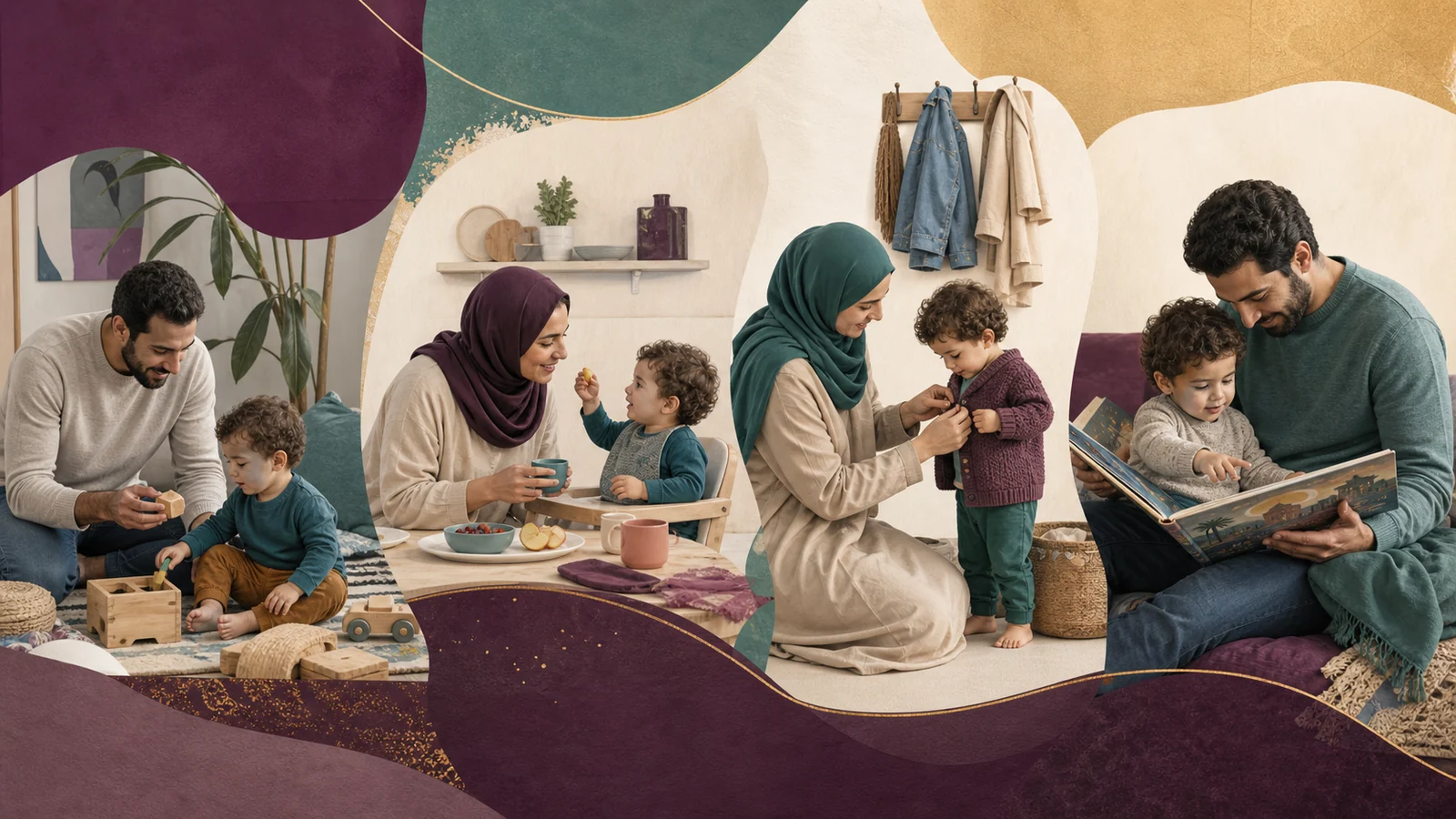
An occupation is a meaningful activity that organizes daily life: dressing, eating, playing, writing, joining a classroom routine, moving through the community, or caring for belongings. Pediatric occupational therapy studies the fit between the child, the task, and the environment. Fine-motor, visual-motor, movement, planning, regulation, and sensory factors matter when they help explain a participation barrier.
Start with the real activity
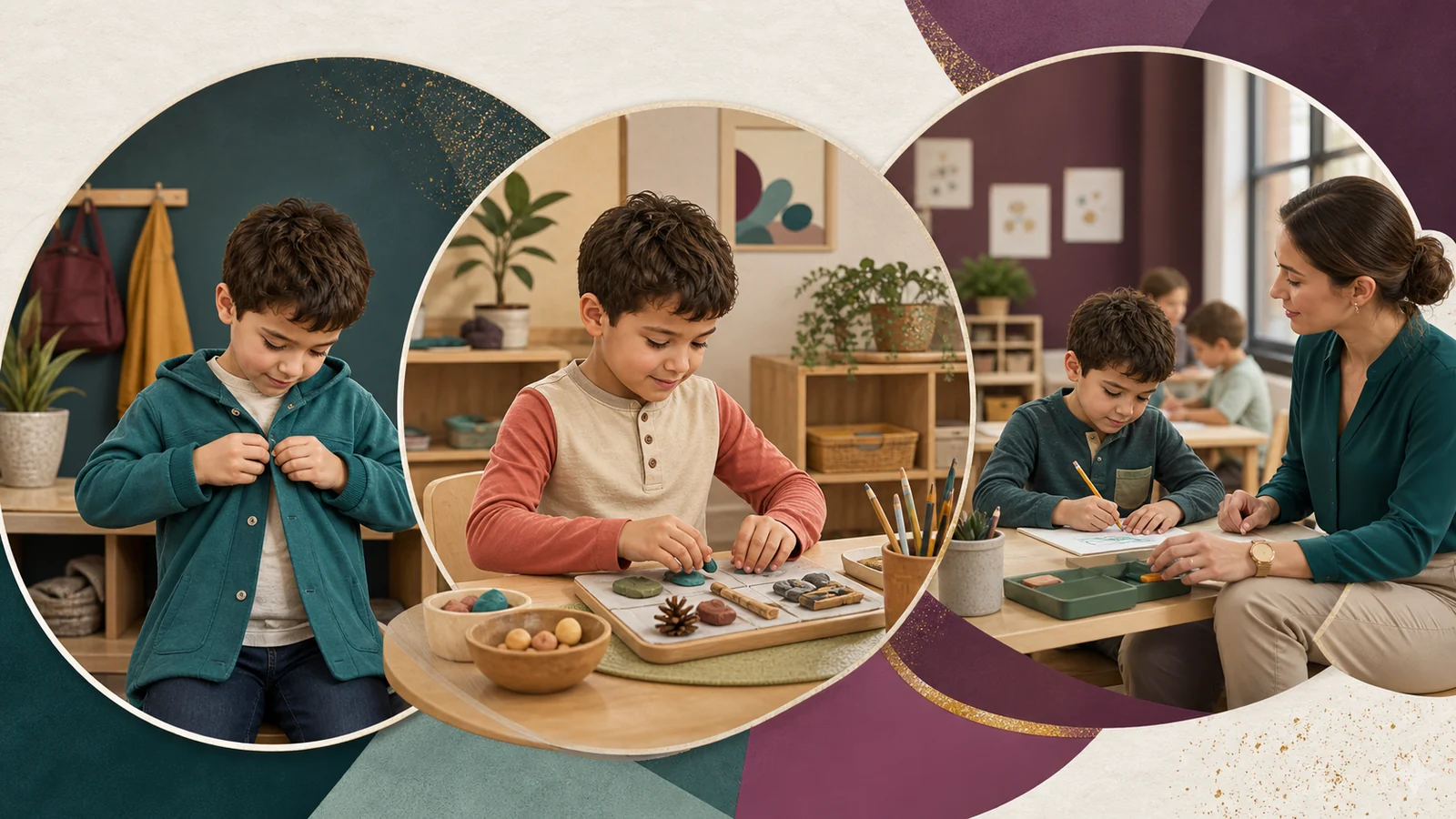
“Improve hand strength” is incomplete unless it connects to an occupation: opening lunch containers, fastening clothes, using classroom tools, or sustaining a preferred creative activity. The therapist analyses the task, identifies where participation breaks down, and decides whether to teach a skill, grade the challenge, adapt tools, change the environment, or combine these approaches.
Sensory support should be individualized
Sensory preferences and responses are real, but a generic “sensory diet” is not automatically appropriate. A strategy should have a defined purpose and be judged by whether it improves participation in the target activity. If a movement break increases regulation but removes the child from most instruction, the overall outcome still needs review.
The success of a strategy is not that the child tolerated the strategy. It is that the child gained access to something meaningful.
Adaptation and skill development can coexist
A visual sequence, different pencil, quieter workspace, modified clothing fastener, or changed seating arrangement may reduce an unnecessary barrier. At the same time, the therapist can teach underlying skills. Independence does not require every task to be done in one conventional way.
Questions for the therapist
- Which daily activity is this exercise expected to improve?
- How will we measure participation, assistance, time, comfort, or quality?
- Is the strategy specific to this child and this context?
- Can the environment or task change as well as the child’s skill?
- How will we test whether the improvement transfers to home or school?