Acquisition is only the first question
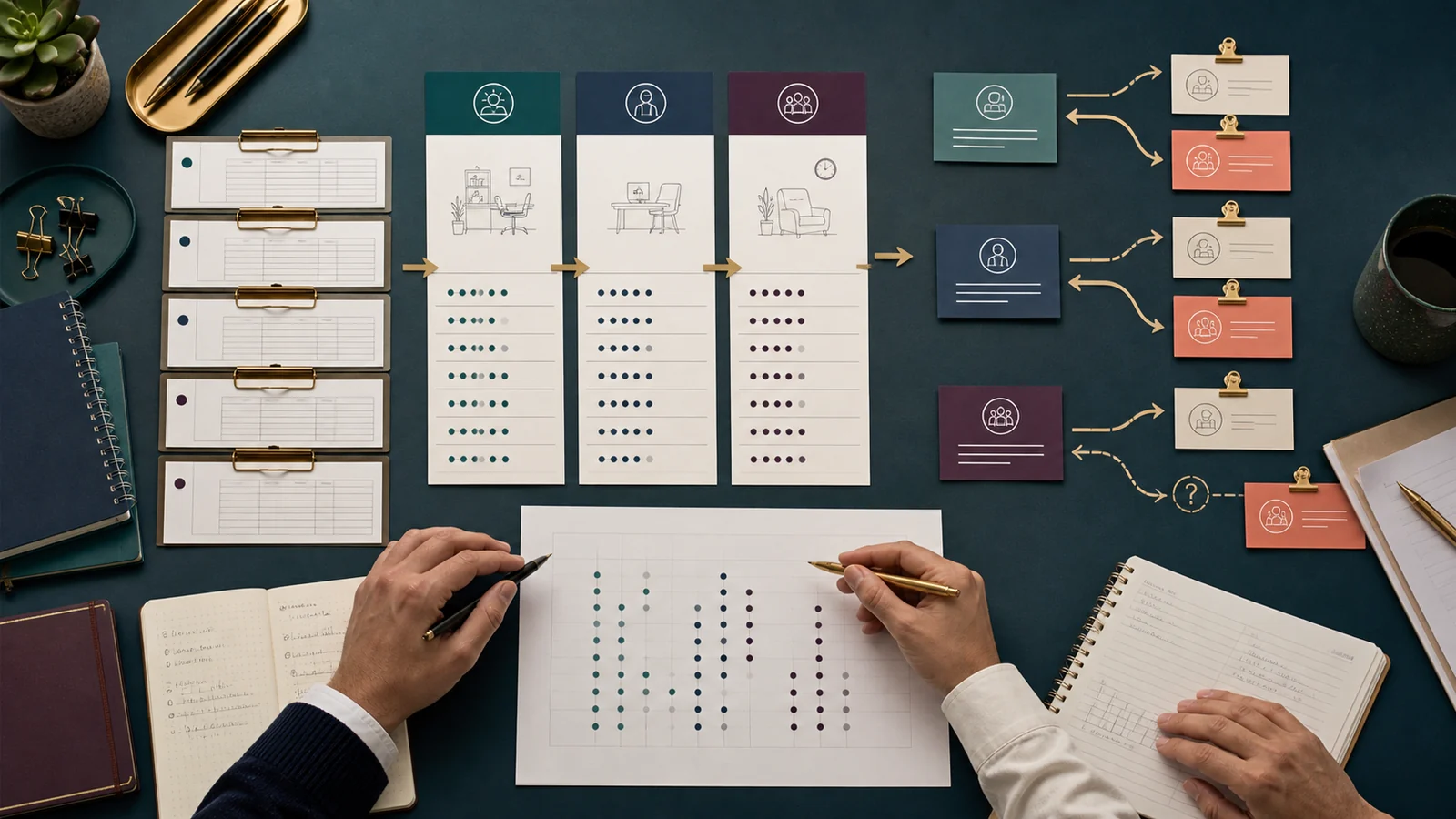
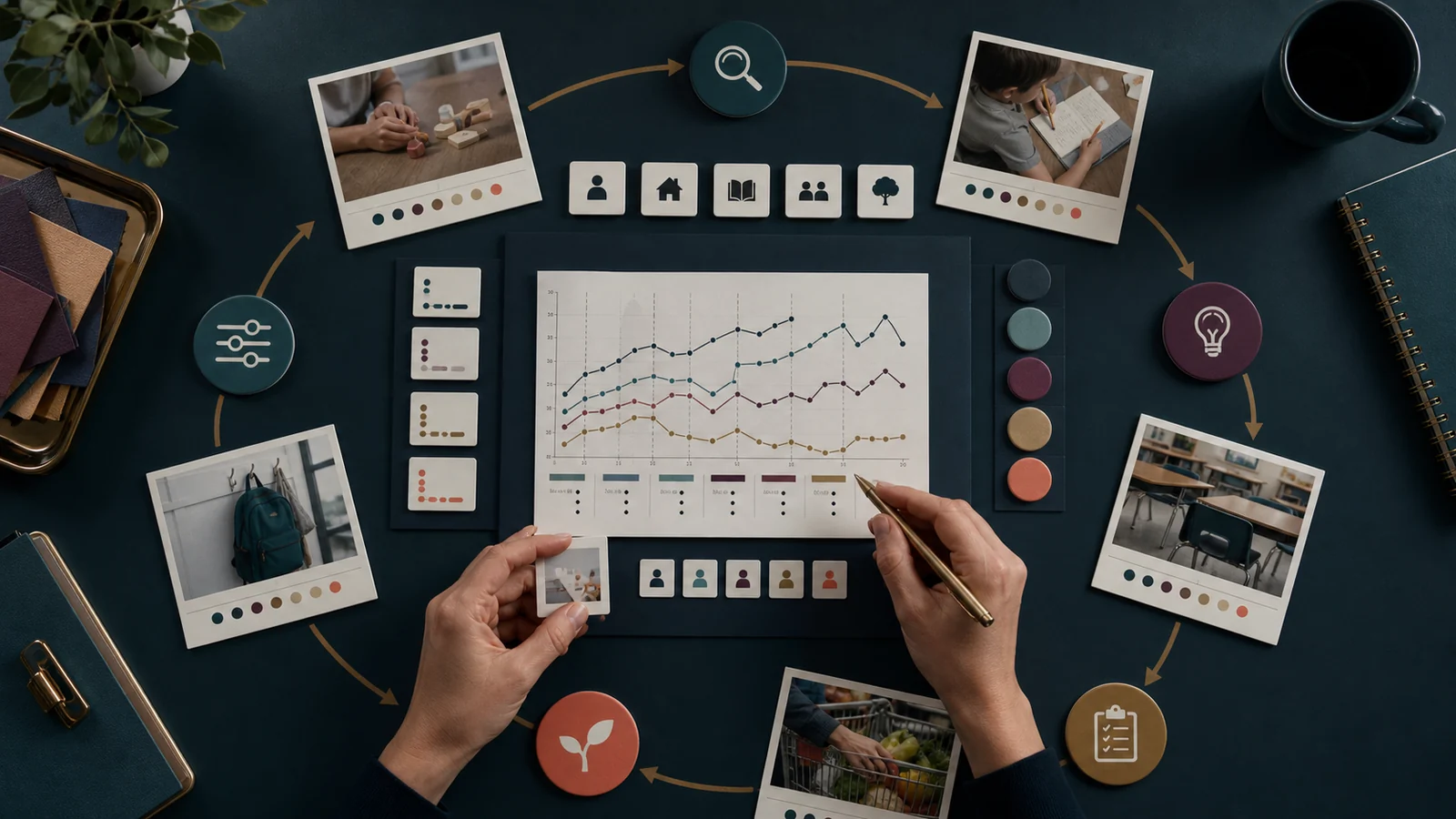
Acquisition data ask whether performance changes during teaching. Generalization asks whether relevant variation is possible across people, settings, stimuli, responses, or tasks. Maintenance asks whether performance persists after time passes or teaching conditions change. These outcomes should be operationally defined and scheduled for measurement.
Program common stimuli and meaningful variation
Identify the natural cues, materials, communication partners, and consequences that will exist outside treatment. Include enough variation during teaching to prevent narrow stimulus control, while avoiding random changes that obscure learning. Teach multiple exemplars when the response class requires it, and use natural reinforcers when they can sustain the skill.
Separate independent performance from assisted success
Report prompt level, latency, accuracy or rate, and context. A learner who responds at 90% with full verbal prompts has a different repertoire from one responding independently at 70%. Summaries should not hide this distinction. Generalization probes are most informative when planned before the learner encounters the probe context.
Maintenance is not “no support forever”
Natural reminders, environmental accommodations, AAC, visual schedules, and assistive technology may be legitimate parts of independent participation. The question is whether the support is appropriate, available, and efficient—not whether the person performs without any tool. Measure the level and type of support that matters to the outcome.
A flat graph is not an instruction to push harder. It is a signal to examine the goal, teaching procedure, implementation, reinforcers, task demands, health, context, and measurement.
Use decision rules and treatment-integrity data
Define the pattern that triggers continuation, adaptation, additional assessment, or goal reconsideration. When change is absent, check whether the procedure was implemented as designed before concluding it is ineffective. When improvement appears, verify that it is not produced only by one therapist, one material set, or an unintended prompt.